Our city government is not open or transparent — Over the last decade, it has become routine for engagement with the public to be done only for show, effectively shutting us out of the true decision-making process. At City Council and Commission meetings, public comment is regularly ignored because decisions have been made ahead of time. How could they possibly have a prepared statement ready if they had any intention of considering public comments?
Details
Examples:
○ In one city council meeting, Council member Humbert lectured the audience about how unreasonable they were before he even listens to any public comment!
○ In another city council meeting, Council member Kesarwani shows how little she cares about listening to what the public has to say by telling us that if you disapprove of the design of a building, you do not support new housing and are against all development.
○ At “listening sessions” and workshops, the choices presented are limited to those acceptable to the special interests:
For the proposed Class IV bike lane on Hopkins, the “choice” was where the cycle track should be placed, not whether there should be a cycle track at all;
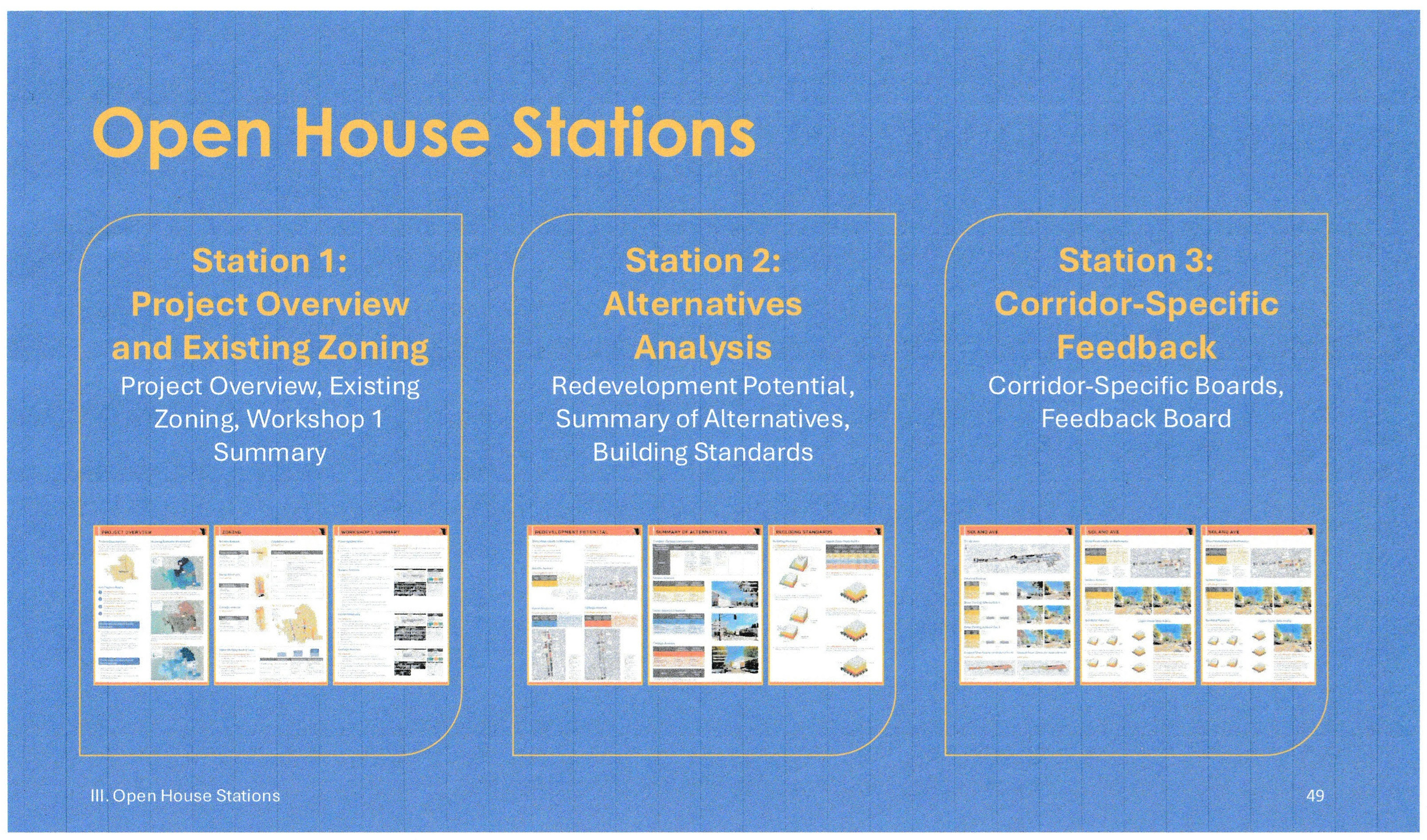
The CZU presentations had no public back and forth on the pros and cons. At a workshop to get community input on the Corridor plans, participants were to indicate their preferences with stickers on posterboards, where the choices consisted of predetermined “acceptable” options.
○ On the Middle Housing (MHO) issue, despite many requests, no debates were scheduled, so people couldn’t hear pros and cons of the proposal;
○ Because of the complete refusal of the City Council, the Berkeley Neighborhoods Council ended up doing what the city would not: it sponsored a town hall meeting so people could ask questions of a panel of experts on the MHO.
○ It doesn’t really matter what the topic is – Bike plan update, North Berkeley Bart, Middle Housing, Hopkins corridor – the discussion is always the same: tightly controlled with no deviation allowed.
○ Supplemental agenda packages that are commonly presented with only 24-hour notice, which doesn’t give the public enough time for review and comment.
Council members are prone to submit potentially controversial “supplemental agenda items” during a “Special Meeting” of the Council, for example pertaining to the Middle Housing Ordinance, BART housing, or protected bike lanes. While the notification and posting requirements for a Special Meeting are complied with as specified in the Brown Act (24 hours), such notice without a doubt violates its spirit of public notice and involvement. If it were a “regular meeting”, 72-hour notice would have been required. The City of Berkeley General Plan “mandates maximum citizen involvement in all public planning”. It is hard to explain how giving the public as little notice as possible of significant changes is in agreement with the General Plan’s stated purpose to “Improve Citizen Participation.”